Plan the scope before you compare the quote.
A production quote becomes useful when it states the work behind it: preparation, access, shoot conditions, post-production, usage and final deliveries. These guides help you make those variables visible before a proposal is prepared.
Three decisions make a scope easier to compare.
01 / The job of the film Name the audience, message and release context. A launch film, sales film and training video can share a duration without needing the same production plan.
02 / The real production conditions Record locations, access, participants, safety conditions, shoot days and supplied material. These affect whether a plan is workable before equipment choices are compared.
03 / The delivery list Separate the main film from cutdowns, ratios, subtitles, language versions and review steps. A clear delivery list prevents important work from being treated as an assumption.
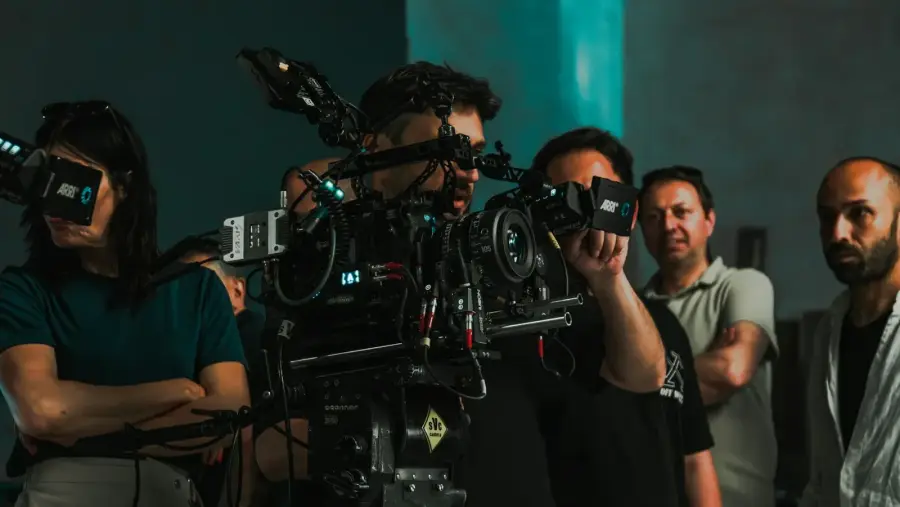
Video Production Budget: How Is a Project Scope Defined?
Use this before a general video-production brief goes out.
- What the film needs to do and where it will be used
- What must be filmed, built, animated or supplied
- Which versions, ratios, languages and approvals belong in delivery

Commercial Film Production Cost: What to Check Before You Request a Quote
Use this when two commercial-film proposals look similar at first glance.
- Who owns creative development, casting and art direction
- How shoot days, crew, locations and equipment are defined
- What rights, post-production work and cutdowns are included
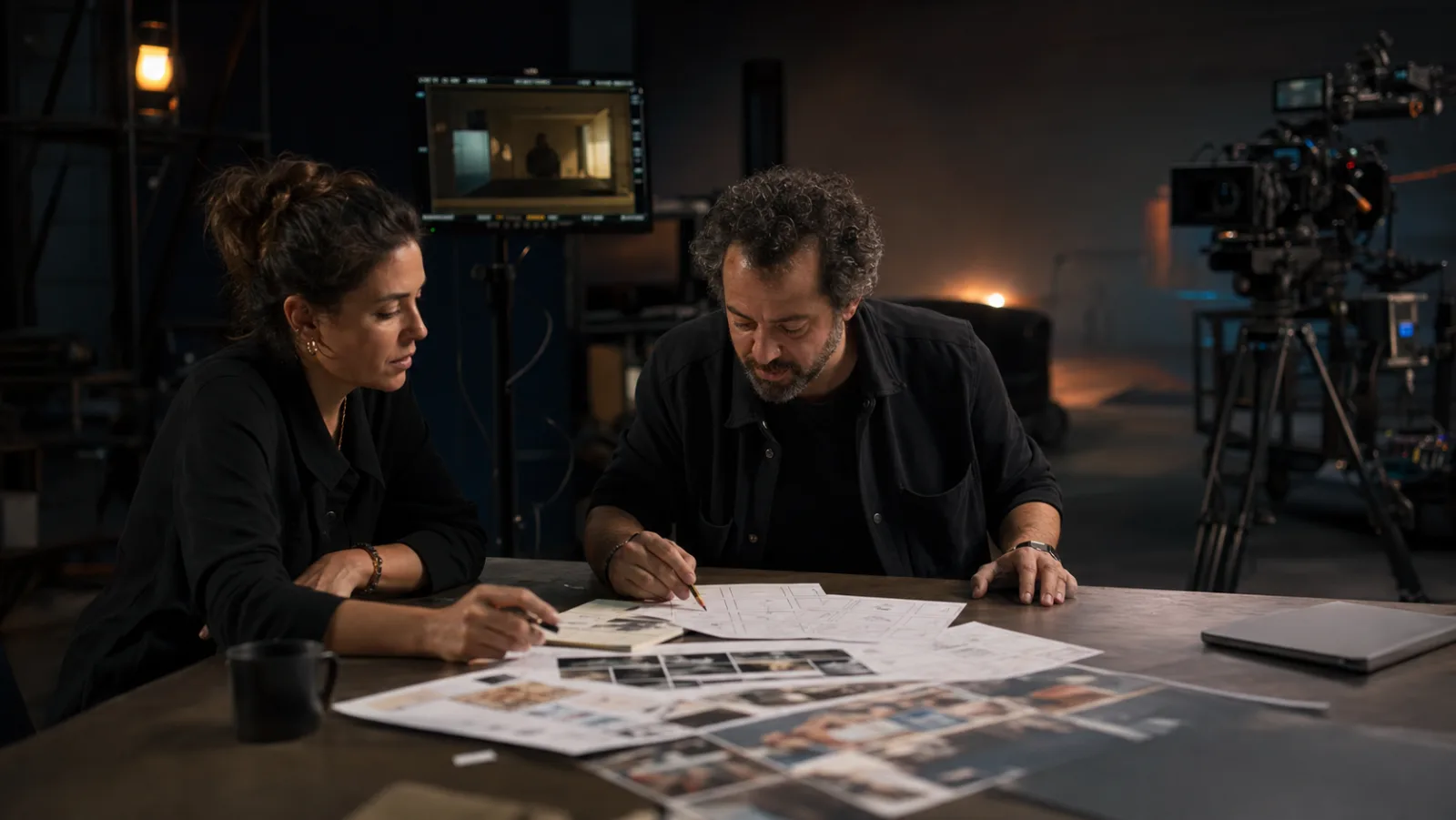
Factory Introduction Film: Planning, Process and Budget
Use this before factory access and production timing are discussed.
- Which production areas can be filmed and when
- Safety, escorts, access limits and sound conditions
- Interview, drone, travel and delivery requirements