3D product
animation.
3D product animation makes internal mechanisms, unreleased models and material behaviour visible where a camera cannot provide enough control.
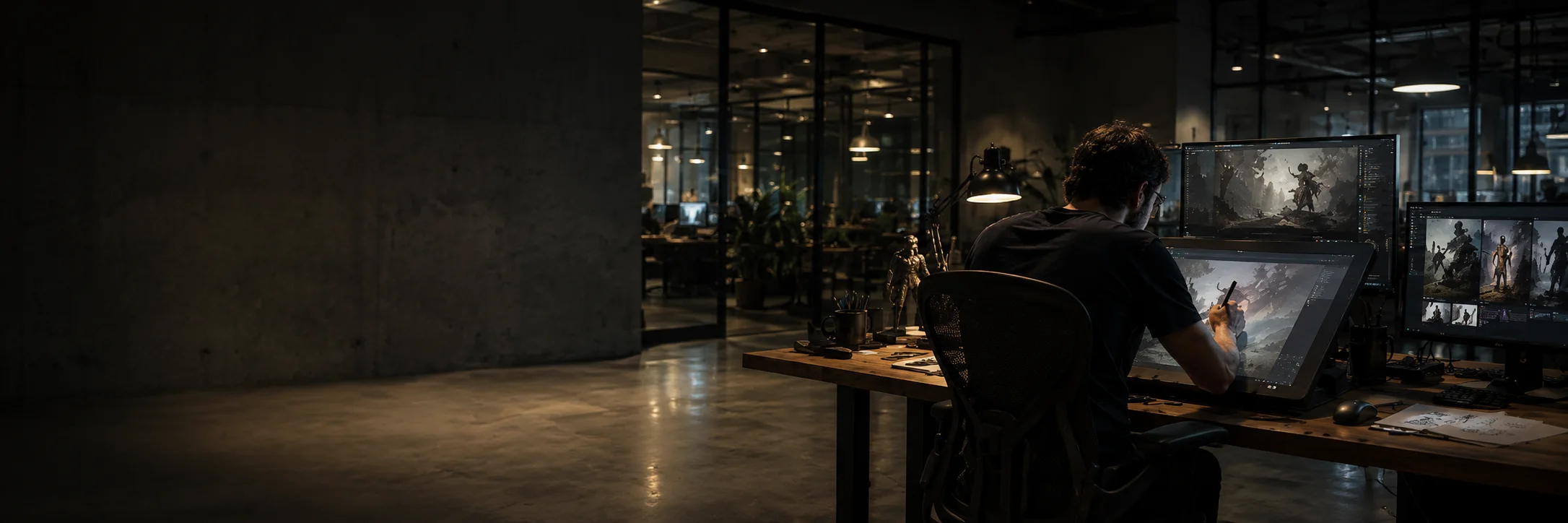
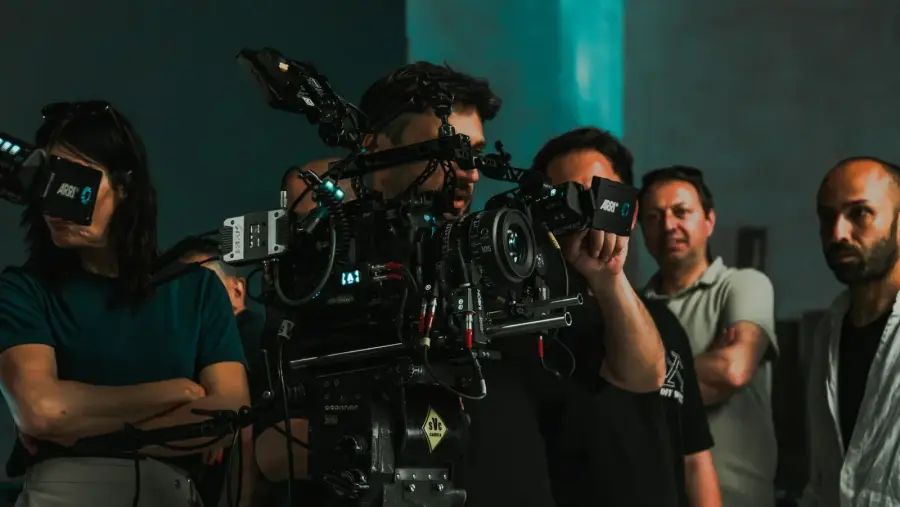
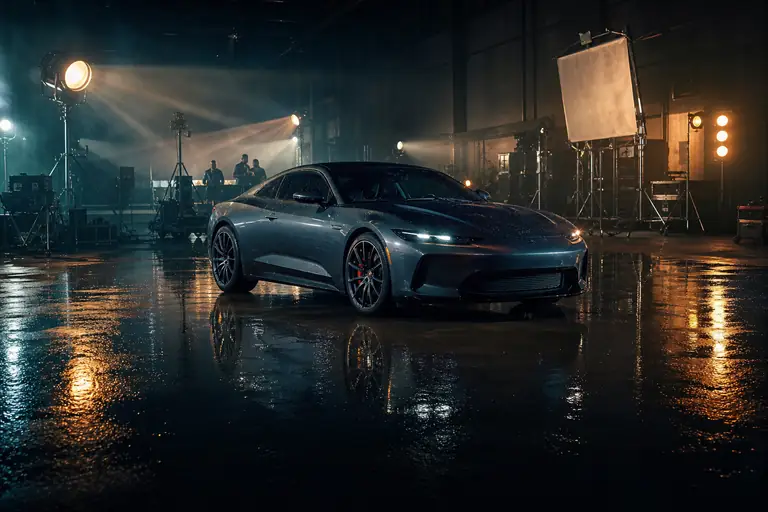
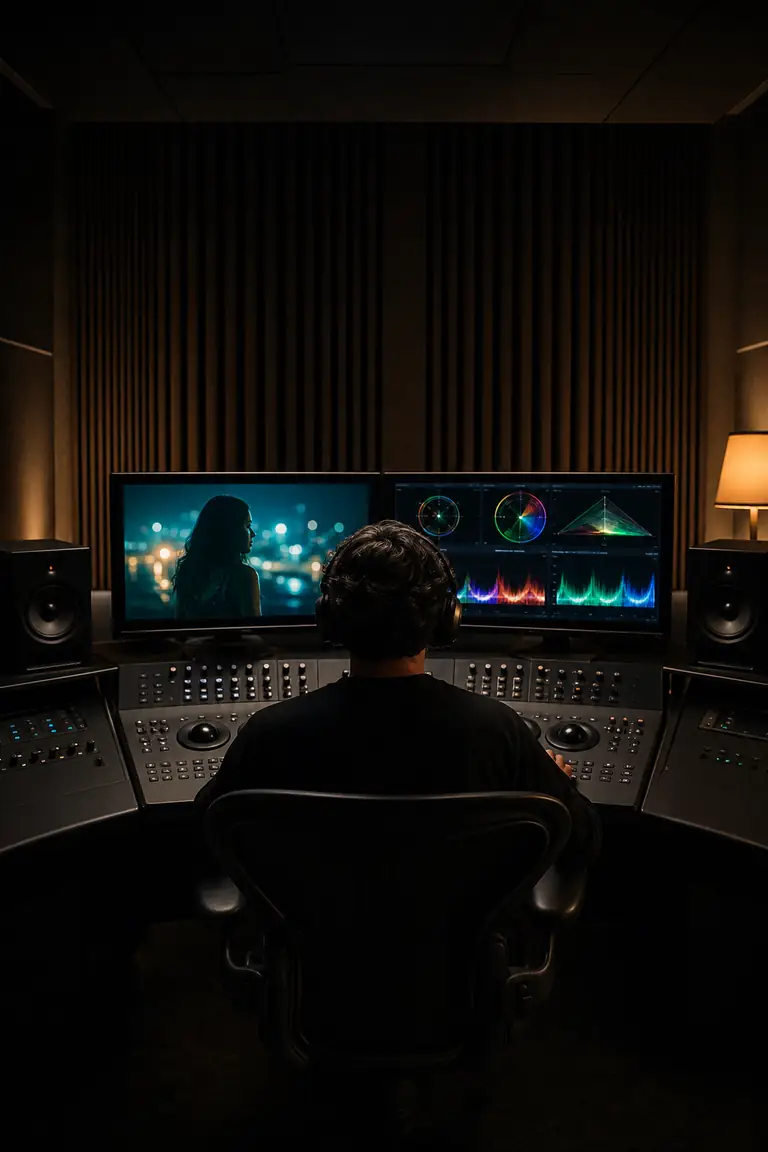






Use 3D where the product needs controlled explanation.
3D is useful for an exploded view, small movement, fluid or particle behaviour, or a product without a physical sample. When human use, a real setting or natural performance carries the story, live action or a hybrid plan can be the better method.
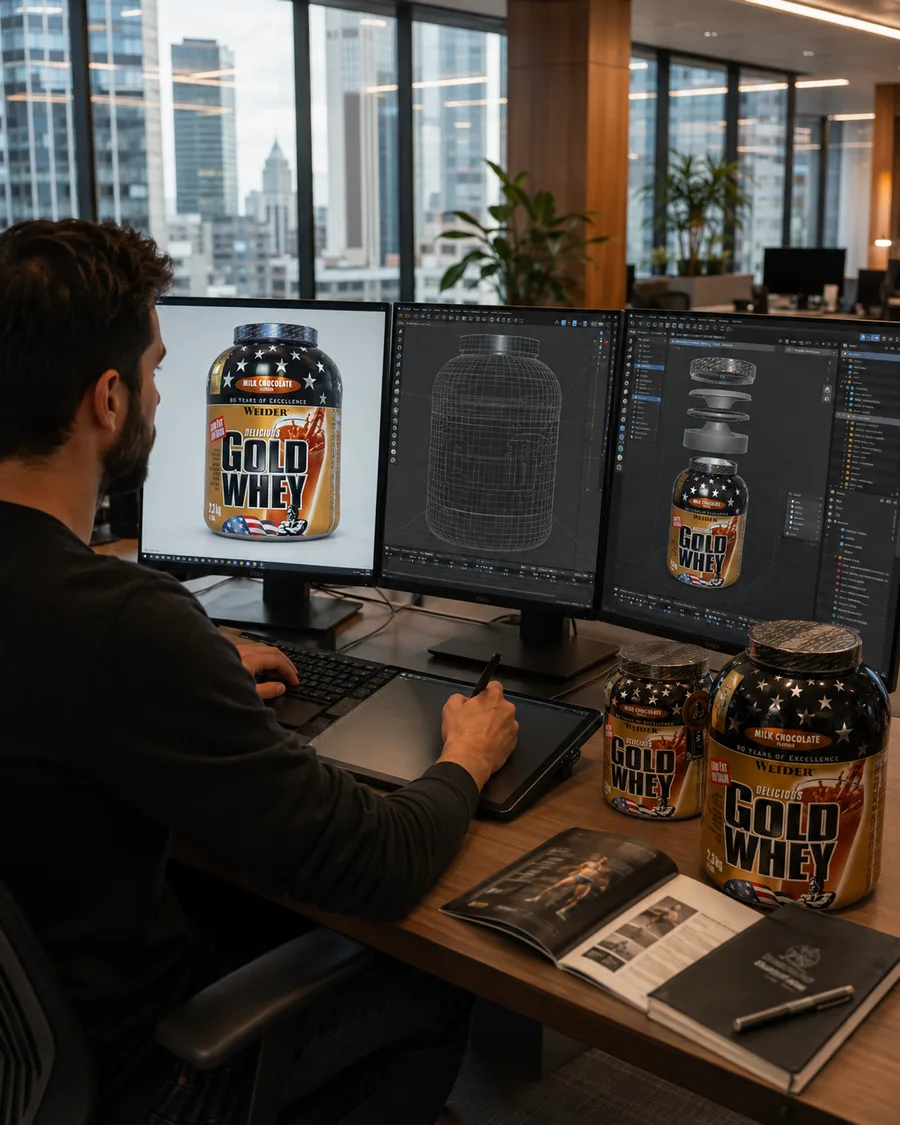
A CAD or engineering file is checked before rendering. Models are cleaned and prepared for production; new geometry can be built from measurements, technical drawings, product photography and a sample where available. Material references and colour values are reviewed before camera motion, feature animation and packshots are finalised.
When is 3D the right production method?
The method follows what the product must explain.
What 3D can make clear
3D is useful when an internal mechanism, part relationship, fluid movement or an unreleased model must be shown.
When live action is stronger
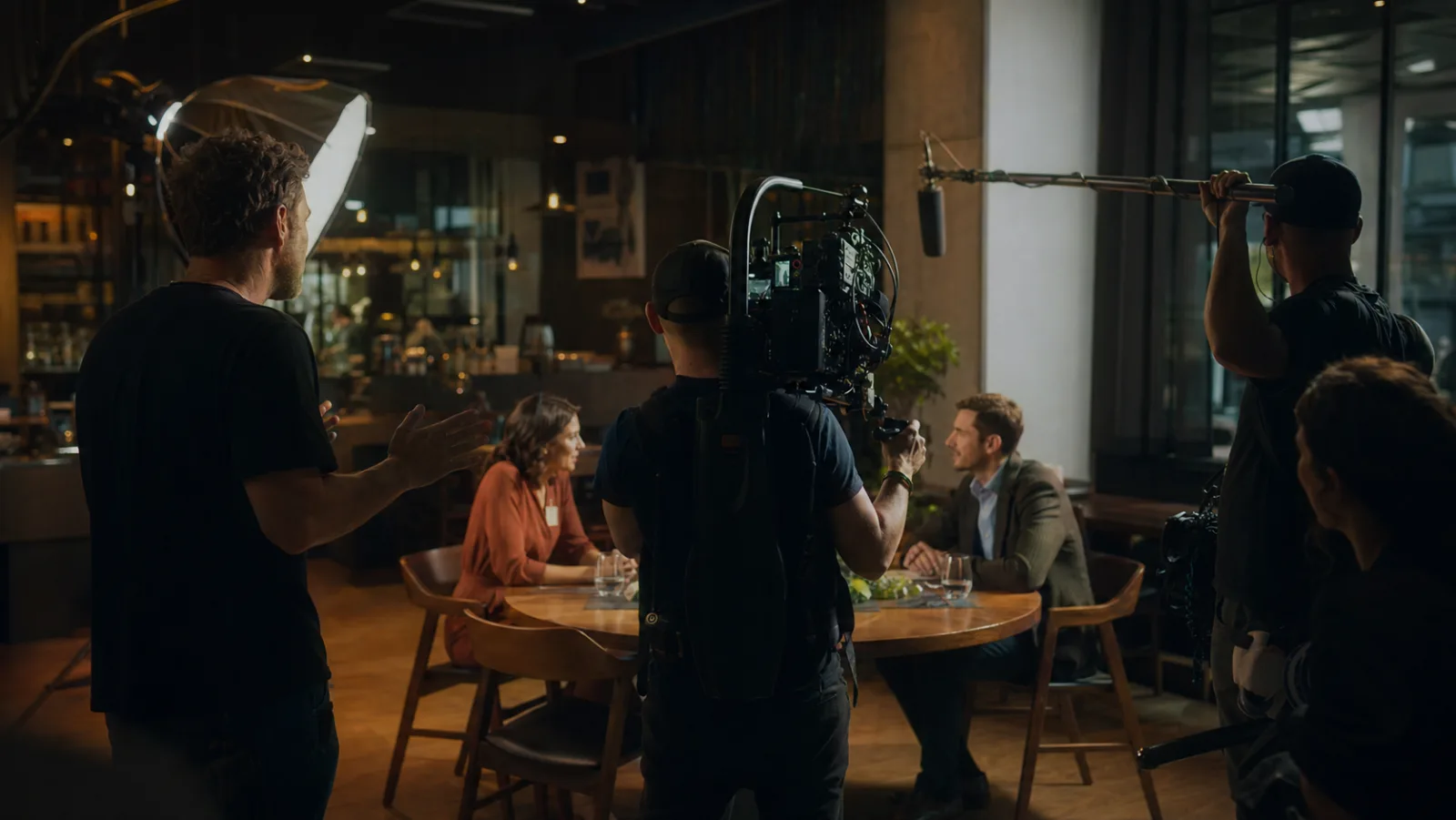
Live action or a hybrid method can be more useful when people, a real setting and natural performance are central to the story.
What helps define the scope
CAD or technical drawings, measurements, product photography, surface references and a sample where possible make the first decision clearer.
 01
01 Model preparation
CAD clean-up, existing-model optimisation or product modelling from drawings, photographs and measurements.
 02
02 Materials and lighting
Material development and lighting based on references for metal, plastic, glass, fabric and coatings.
 03
03 Technical animation
Exploded views and feature animation that make part relationships and product detail visible.
04 Render and compositing
Render-layer compositing, product clean-up, background integration, graphics and final image finishing.
05 Packshots and formats
Planned 16:9, 9:16, 1:1 and 4:5 product cuts, loops and e-commerce visuals.
3D and CGI scope
The approved asset can support a planned family of outputs rather than a single final film.
Which deliverables can come from one film?
We define where the work will be used, the required formats and the delivery schedule from the start.
From one film,
prepare the right files for each use.
We plan the main film, short versions, vertical video and release files together at the start of the project.
Share your brief → How 3D product animation is produced
Separate approvals for model, material and movement help catch technical issues before final rendering.
Technical brief and asset review
The product benefit, audience, release context and difficult-to-show details are set out alongside available source files.
Model, storyboard and look development
Geometry and camera flow are prepared, then selected frames establish material, lighting and background direction.
Animation and rendering
Product motion, feature animation and required simulations are reviewed in previews before final renders.
Compositing and delivery
Render layers, clean-up, colour, graphics, sound and agreed aspect-ratio versions are completed as a defined delivery.
 One team / Clear approvals / Multiple deliverables
 A well-prepared plan creates a calm pace on set and an orderly process without surprises in the final delivery.
Teams this service is right for
These are the working models that most often need this service. The scope becomes clear as the project goal and use case are defined.
Technical and industrial products
Products whose inner mechanism, flow, layers or assembly are not visible from the outside.
Launch and e-commerce teams
Teams that need to build the product world before a physical sample is available or reuse an asset across formats.
Advertising and product marketing
Campaigns requiring controlled product transitions or photoreal CGI alongside live action.
Istanbul & Turkey projects
Productions planned from Istanbul, with the crew, location and delivery plan defined around the project where required.
Questions before starting.
01Is a CAD file required?+
No, but it can speed up accurate model preparation. Without CAD, technical drawings, measurements, multiple product views and a sample where possible help establish the model.
02Can 3D work with live action?+
Yes. A hybrid production can use live action for people or real settings and CGI for technical detail that a camera cannot show.
03What determines the scope?+
Model readiness, part count, realism, simulations, film length and delivery formats all affect the work. They are reviewed before the scope is defined.
Let’s discuss what
your video needs.
Share your goal, where the video will be used and the timing. We can clarify the right scope and next step together.